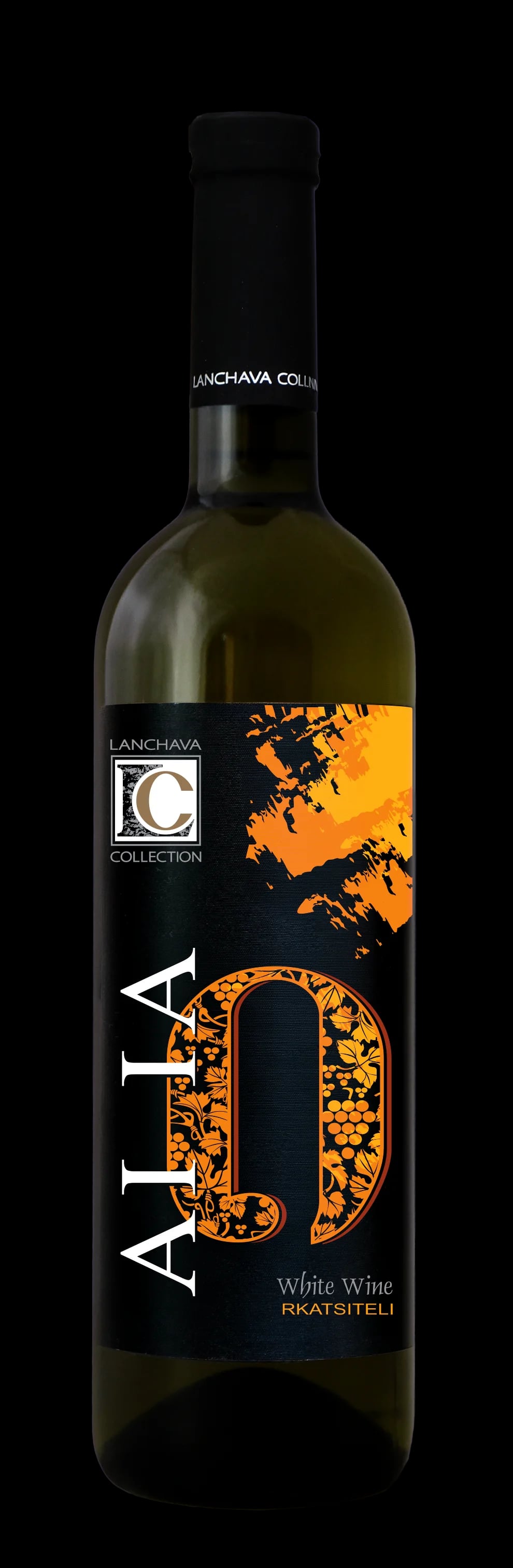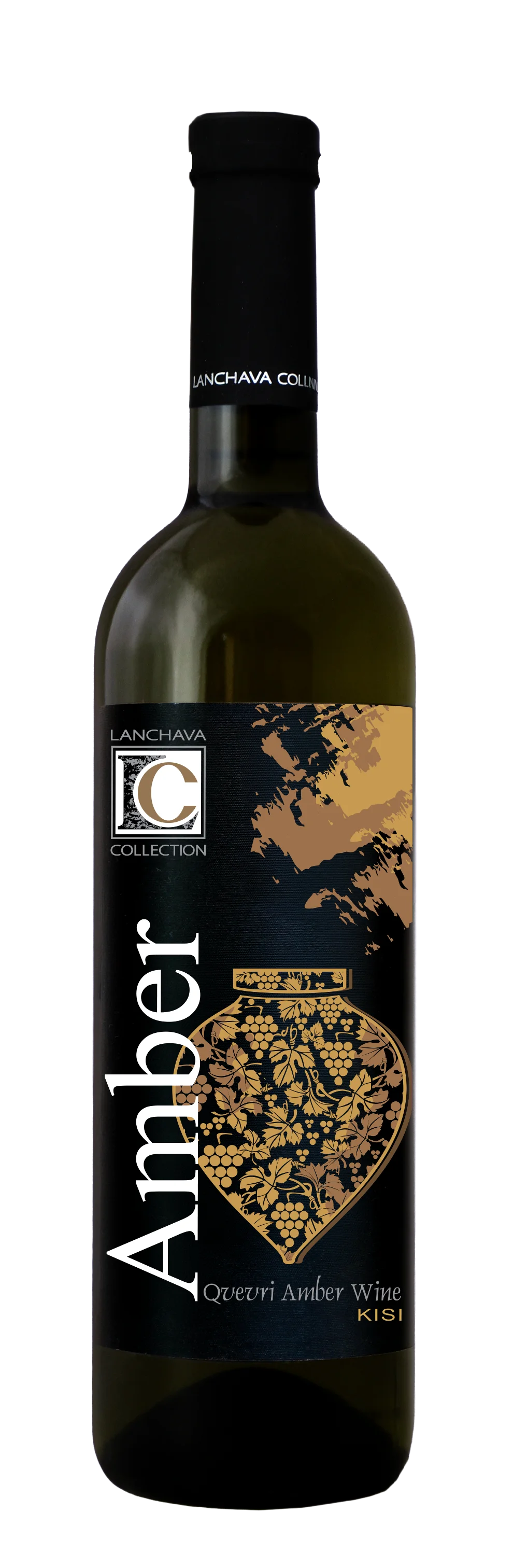
The Essence
Amber
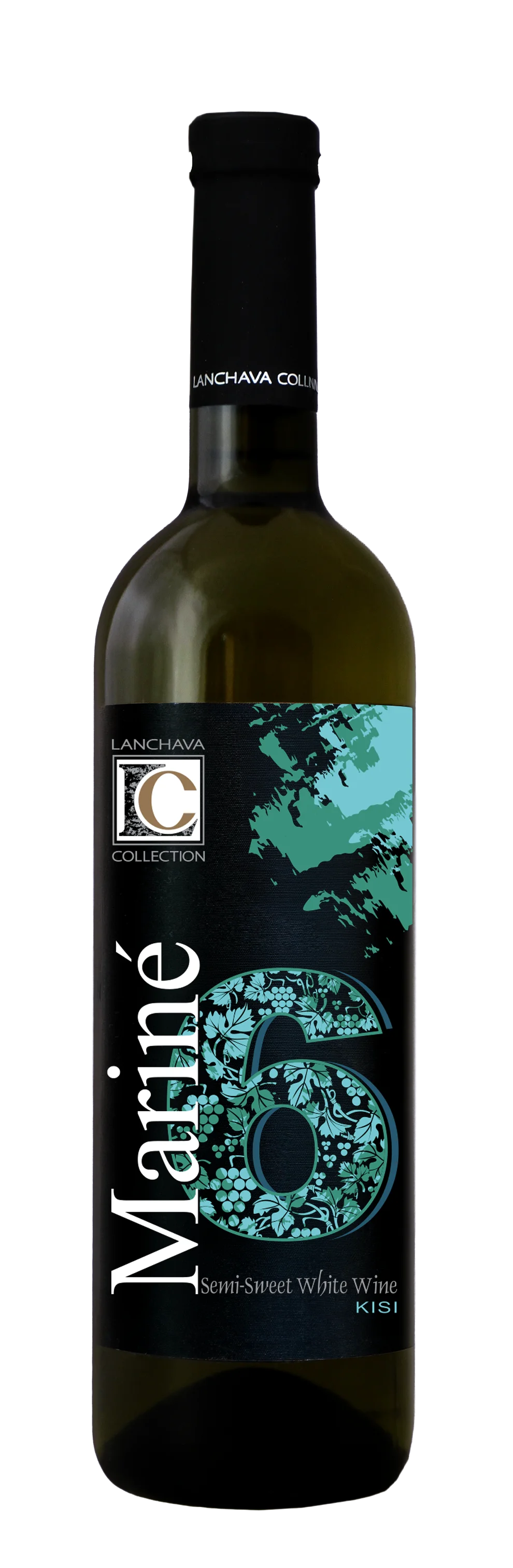
Dry amber wine made from 100% Kisi grapes using the ancient Qvevri method.
“Kisi shaped by Qvevri, carrying Georgia's 8,000-year winemaking tradition.”
David Lanchava
Dried apricot
walnut
honey
tea-like tannins. Full-bodied with long finish.
Kisi, shaped by qvevri.
Georgia is the cradle of wine. Amber is made from 100% Kisi grapes and crafted in Qvevri, large clay vessels buried in the earth. This ancient method, recognized by UNESCO as Intangible Cultural Heritage, gives the wine extraordinary depth and character.
- Style
- Dry amber
- Alcohol
- 13%
- Serve at
- 12 to 14°C
- 01Dried apricot
- 02Walnut
- 03Honey
- 04Tea-like tannins
- 05Full-bodied with long finish
Dry amber wine made from 100% Kisi grapes, crafted with the ancient Qvevri method using clay vessels buried underground, a UNESCO-recognized winemaking tradition dating back 8,000 years.
A rare white grape of eastern Kakheti, historically grown around Telavi and Kvareli.
Most people taste it and say the same thing: it drinks like a red. The complexity, the tannins, the structure. That comes from fermenting a white grape on its skins in clay, which people reach for the phrase red wine technique to describe. It is the other way around. This is how all wine was once made, long before the categories split, and red wine is simply what kept the method. Amber is not a white wine as most people mean the term, and it is not a rosé. The style is Georgian and roughly 8,000 years old. Orange wine is the same thing under a name the West coined in 2004.
Amber wine vs orange wine: why the name matters- Aged Cheese
- Roasted Meats
- Mushrooms
- Hearty Stews
Everything on the label, and a little more.
Specifications change with each release. These are current.
- Grape variety
- 100% Kisi
- Style
- Dry
- Alcohol
- 13%
- Serve at
- 12 to 14°C54 to 57°F
- Color
- Deep amber with copper tones
- Region
- Kakheti
- Aging
- Aged in Qvevri (clay vessels)
- Volume
- 750ml
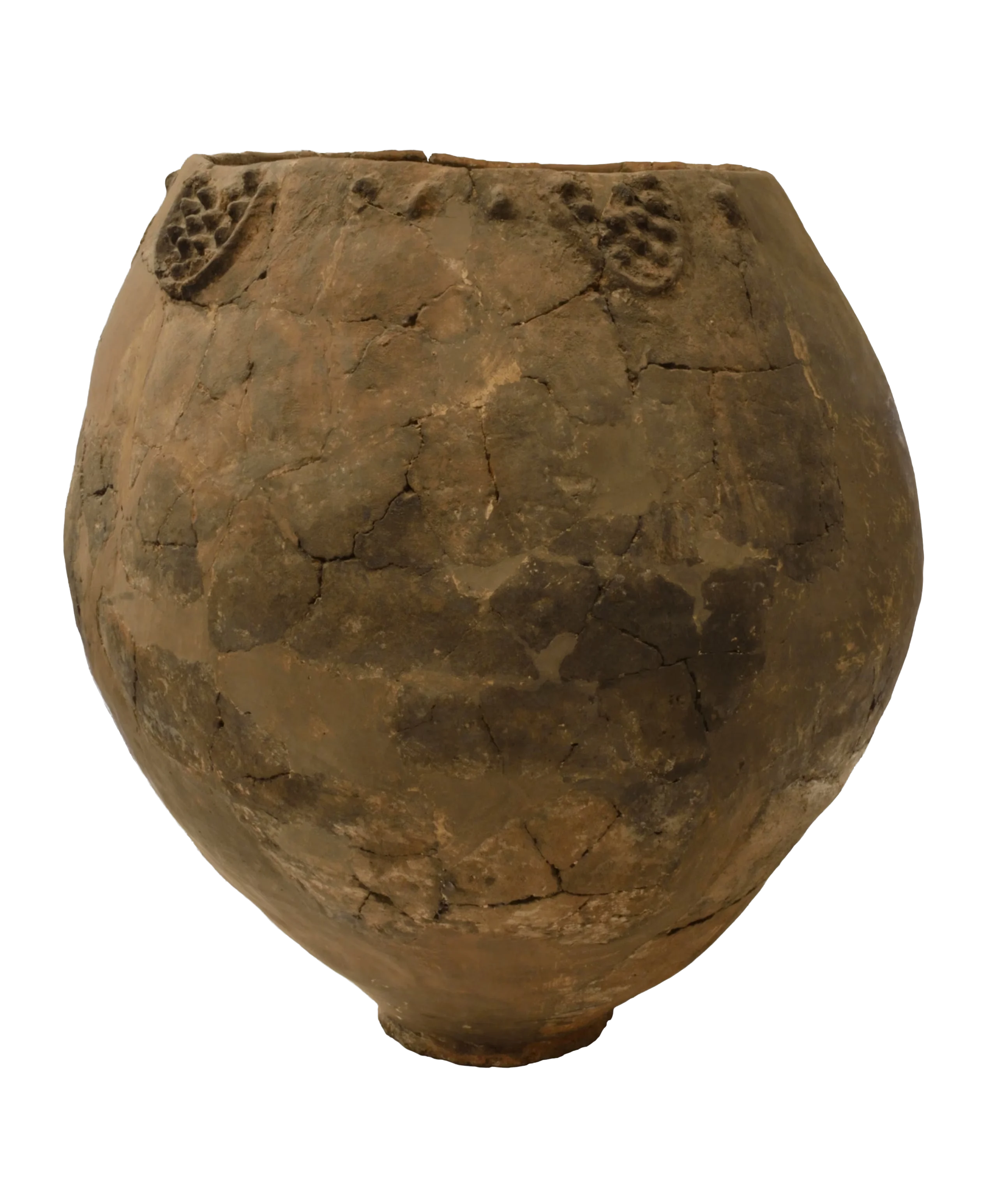
The sacred qvevri method
Amber is made from Kisi grapes through an 8,000 year old dialogue with the earth. Fermented and aged in clay vessels buried underground, this UNESCO recognised method creates a profile that is both ancient and eternally modern.
Kakheti
Georgia's principal wine region, in the east, holding roughly 60 to 70 percent of the country's vineyard area and most of its appellations. The Likhi Ridge shields it from Black Sea moisture, giving warm, dry summers and cold winters, while the Alazani and Iori valleys temper vineyards planted between about 250 and 800 meters. It is the heartland of the Kakhetian qvevri method, which ferments white grapes on their skins, seeds and stems to produce Georgia's classic amber wines.
Asked often.
Yes, they are two names for one style, in which white grapes ferment in long contact with their skins. Amber is the Georgian term, and Georgia's qvevri version of the style is the original, made continuously for roughly 8,000 years. Orange wine is the newer name: it was coined in 2004 by a British wine importer for the skin-contact wines then appearing in Italy, Slovenia and California, at a time when Georgian winemaking was largely invisible to Western wine culture.
From 100% Kisi grapes fermented and aged in qvevri, large clay vessels buried in the earth. Qvevri winemaking was inscribed by UNESCO as Intangible Cultural Heritage in 2013, and in the Kakhetian tradition white grapes stay in contact with their skins for months rather than days, which is what gives the wine its color and its grip. Before cultivated yeast existed, every wine began this way: the yeast that starts fermentation lives on the grape skins, so the skins went into the vessel with the juice. Skin contact was not a style, it was simply how wine was made.
Dried apricot, walnut and honey over fine, tea-like tannins. It is full-bodied with a long finish and pours deep amber with copper tones. Amber is a dry wine, not a sweet one.
Because the method is the same, and it is older than either category. The grapes are white, but the juice ferments in long contact with the skins, and in qvevri it sits against the clay as well. Skins are where a wine's tannin, color and structure come from, so a white grape treated this way arrives with the grip and complexity people expect from a red. It is tempting to call that red wine technique. In truth it is the original technique: every wine was made on its skins before modern winemaking learned to separate them, and in Georgia it never stopped.
Kisi is a rare indigenous white grape of Kakheti, historically grown around Telavi and Kvareli, and almost lost to phylloxera and low yields before modern producers revived it for the quality of its wine. Made in qvevri it becomes darker and fuller, with ripe fruit, apricot, honey and walnut.
Aged cheese, roasted meats, mushrooms and hearty stews. Because amber wine shares the characteristics of both white and red, it pairs far more widely than either: it has the tannin and body to stand up to dishes that usually call for a red, while keeping the acidity and aromatics of a white. It is the useful bottle when one table is eating several different things.
Serve Amber at 12 to 14°C (54 to 57°F). Cooler than a red, warmer than a white. Too cold and the tannins turn hard; too warm and the dried fruit turns heavy.
Most people taste it and say the same thing: it drinks like a red. The complexity, the tannins, the structure. That comes from fermenting a white grape on its skins in clay, which people reach for the phrase red wine technique to describe. It is the other way around. This is how all wine was once made, long before the categories split, and red wine is simply what kept the method. Amber is not a white wine as most people mean the term, and it is not a rosé. The style is Georgian and roughly 8,000 years old. Orange wine is the same thing under a name the West coined in 2004.
Amber is sold in the United States through Total Wine & More, typically around $22.99 for a 750ml bottle. Retail price varies by state and store.
Continue the Journey
Discover the Tradition Behind the Wine
Every bottle in our collection carries an 8,000-year story. From the ancient Qvevri vessels to the Tamada's table, explore the heritage that shaped this wine.
Reading for Kisi drinkers
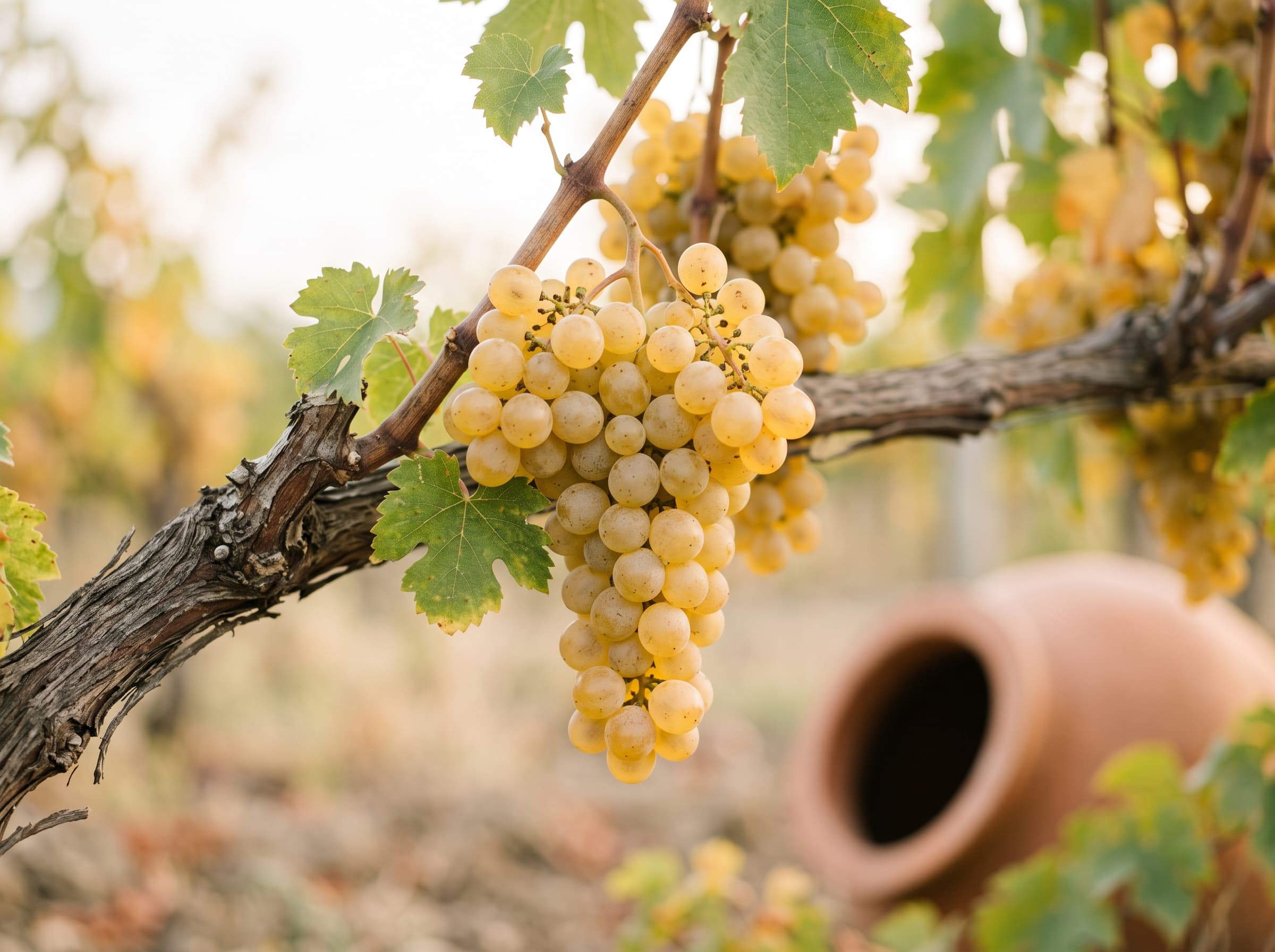
Kisi Grape Profile: Origin, Character, and Wine Styles
Kisi is Georgia's revived native white grape, likely a natural hybrid of Rkatsiteli and Mtsvane, made as crisp dry white, tropical semi-sweet, and full-bodied qvevri amber wine.
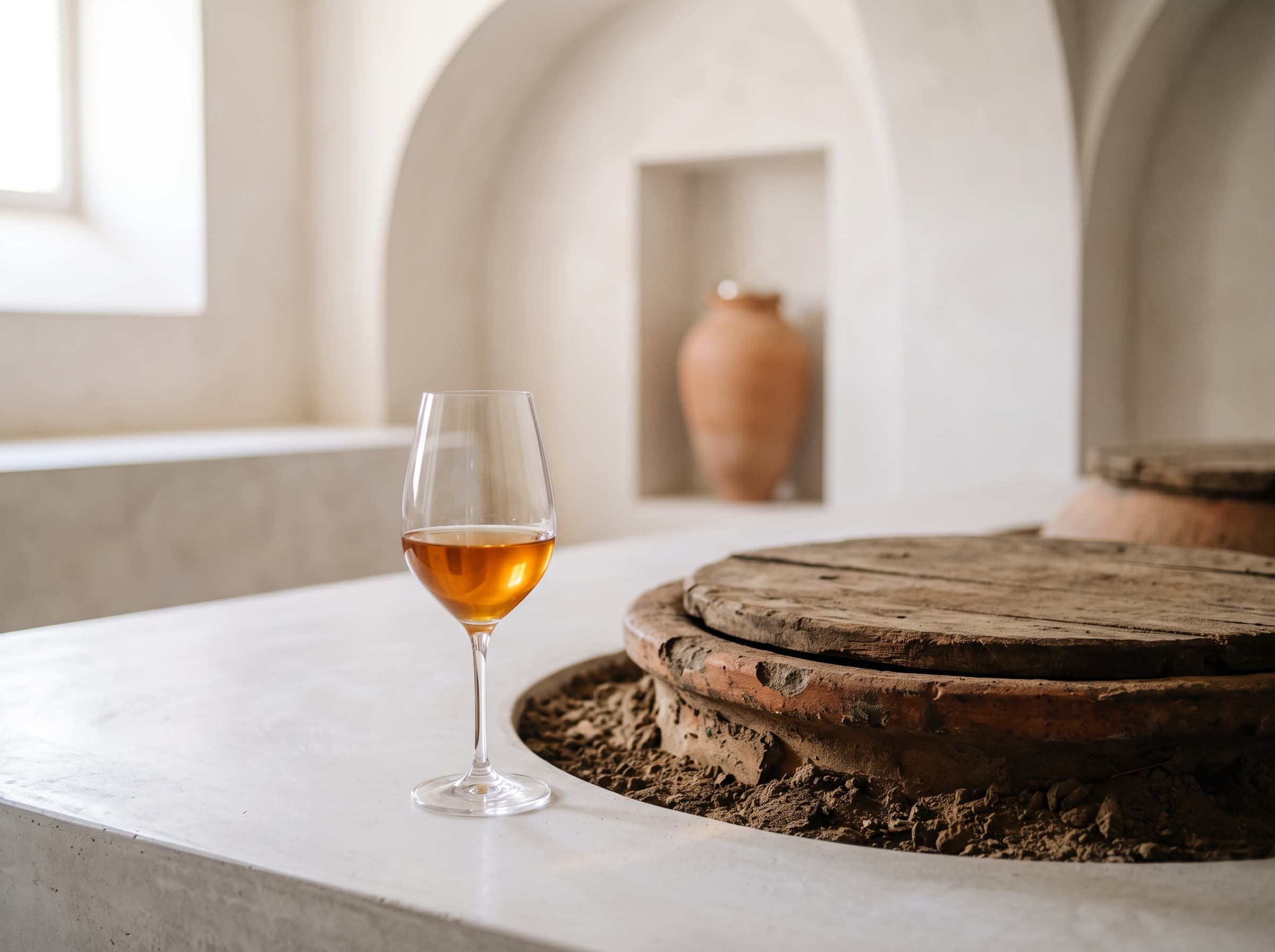
Amber Wine vs Orange Wine: Why the Name Matters
Both terms describe skin-contact white wine, but amber wine and orange wine are not the same thing. The difference is thousands of years deep.
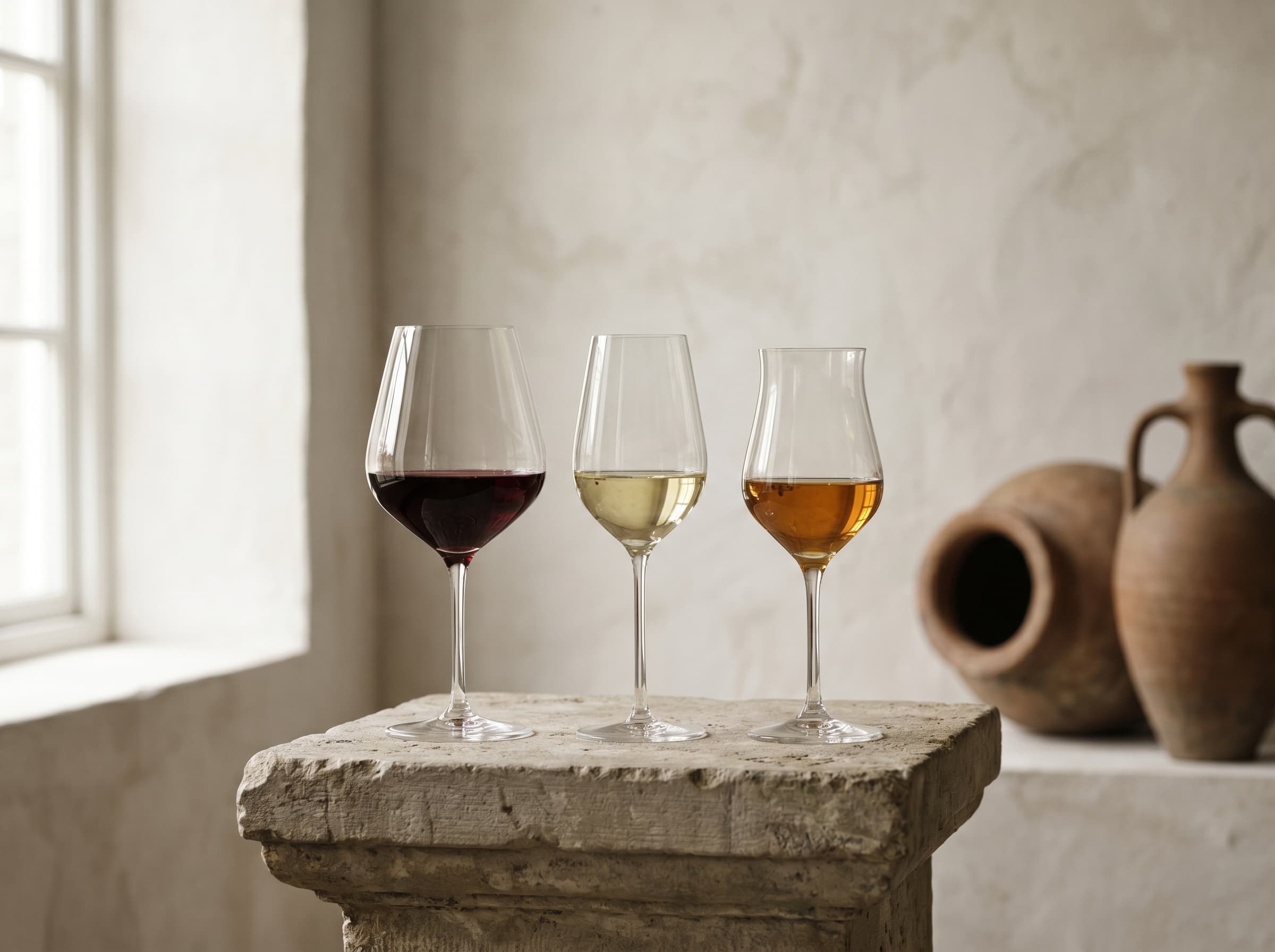
What Makes Georgian Wine Taste the Way It Does
Georgian wine is not one flavor profile. It is a spectrum shaped by ancient grape varieties, fermentation vessels, and regional climates that have no real parallel elsewhere.