Abkhazia
აფხაზეთი
The north-western Black Sea coast, historically planted along the narrow shelf between the mountains and the sea.
Principal grapes
Avasirkhva, Amlakhu, Kachichi
The Complete Guide
Georgian wine is wine made in Georgia, the world's oldest known wine-producing region, where fermentation in buried clay qvevri has continued for some 8,000 years. It spans dry reds and whites, skin-contact amber wines, and naturally semi-sweet styles, built on indigenous grapes found almost nowhere else.
01The Birthplace
Georgia is called the birthplace of wine because it holds the oldest known evidence of winemaking on earth: residue of grape wine in clay vessels dating to around 6000 BC, some 8,000 years ago. Wine has been made here in unbroken tradition ever since.
That archaeology is not a museum piece. The same clay vessels, the same indigenous grapes, and many of the same gestures are still at work in Georgian cellars today. Every bottle of Georgian wine is a continuation of the longest winemaking lineage in the world. The full story is told in the discovery of the world's oldest wine and in our family's story.
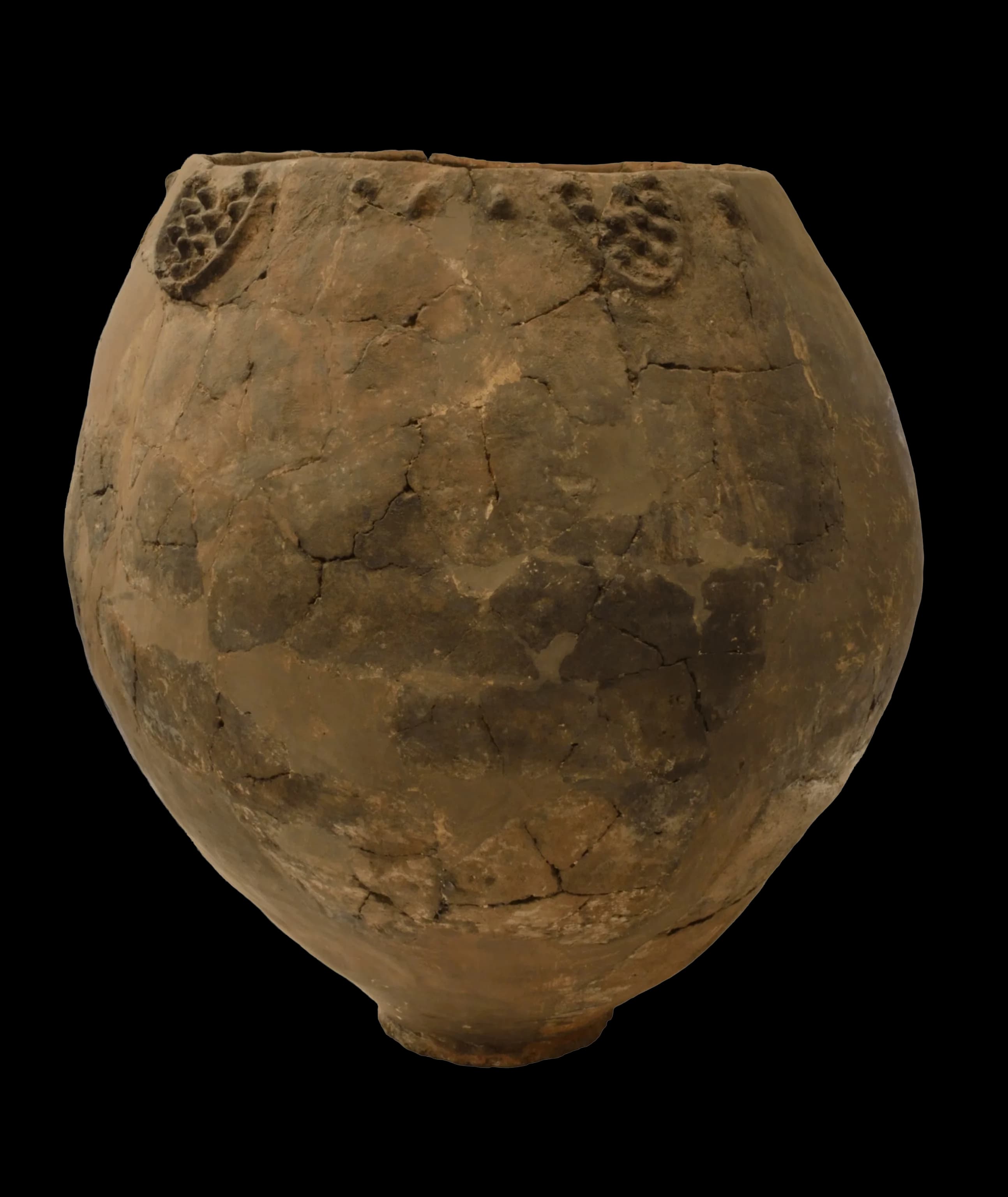
A qvevri: fired clay, buried to the neck
02The Method
A qvevri is a large, egg-shaped clay vessel, lined with beeswax and buried in the earth, in which Georgian wine is fermented and aged. The method is UNESCO-recognized and has been in continuous use for roughly 8,000 years, the oldest winemaking technique still practiced anywhere.
The Lanchava Collection pairs this ancient craft with modern cellar discipline, with tradition setting the character and precision keeping it clean.
The qvevri is set into the cellar floor up to its neck. The surrounding earth holds a naturally steady, cool temperature through fermentation and aging. No machinery required.
Crushed grapes go in with skins, and often stems and seeds. Wild fermentation begins, and the wine draws structure, color, and aroma from everything the vineyard gave.
The wine rests on its skins beneath a sealed lid. For white grapes, this long skin contact is what turns the wine amber and gives it its gentle, tea-like tannin.
See the tradition carried into every bottle in the collection.
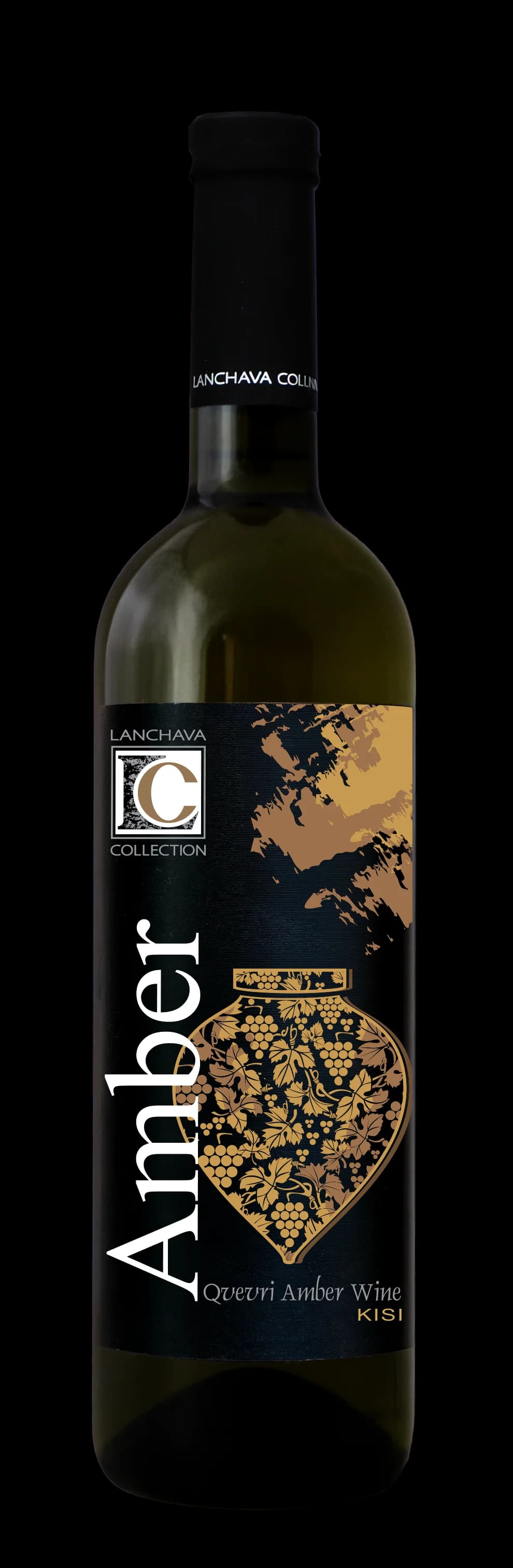
Amber: 100% Kisi, fermented in qvevri
03The Amber Tradition
Amber wine, known internationally as orange wine, is white wine made like a red: the juice ferments in long contact with the grape skins, taking on a deep amber color, gentle tannin, and layered aromas. Georgia's qvevri version of this style is the original, made this way for millennia.
Our own expression is Amber, a dry Kisi from Kakheti, with dried apricot, walnut, and honey over fine, tea-like tannins, shaped by the UNESCO-recognized qvevri method.
Pressed off its skins early. Pale, crisp, led by fruit and acidity.
Months on its skins in qvevri. Amber-hued, structured, with tannin and depth.
04The Grapes
Georgia is home to more than 500 indigenous grape varieties, more than any other country on earth. These are the five that shape the Lanchava Collection, each one a living ancestor of winemaking itself.
Red
Georgia's principal red grape, indigenous to the country and grown above all in Kakheti. It is a teinturier variety, meaning its flesh is red as well as its skin, and one of the very few such grapes anywhere made as a single-varietal wine, which is why Saperavi wines are so deeply colored. Naturally high in both sugar and acidity, it ripens late and makes everything from dry reds to naturally semi-sweet Kindzmarauli.
White
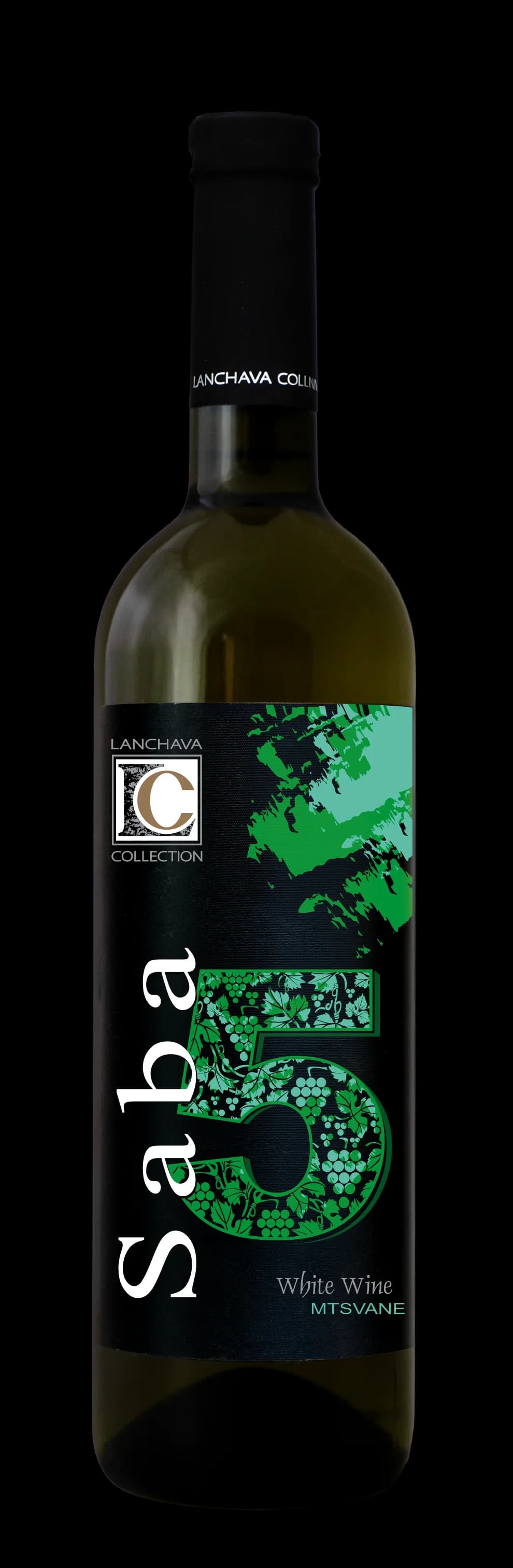
Georgia's most widely planted white grape and one of its oldest, with archaeological links to Georgian winemaking going back more than 3,000 years. Its name means red stem, after the color of the vine's shoots. It buds and ripens late, suiting Kakheti's continental climate, and holds bright acidity even in warm years. Made fresh it gives green apple, quince and citrus; fermented on its skins in qvevri it turns amber and firmly tannic.
White / Amber
A rare white grape of eastern Kakheti, historically grown around Telavi and Kvareli. It was almost lost: phylloxera thinned it out a century ago and it yields a quarter to a third less than Rkatsiteli, so growers let it go, and the quality of its wine is what brought it back. Some researchers believe it to be a natural crossing of Mtsvane and Rkatsiteli. It gives ripe pear and stone fruit made fresh, and turns deep and honeyed, with apricot and walnut, when fermented on its skins in qvevri.
White
One of Georgia's oldest indigenous white grapes, grown in Kakheti and picked in mid to late September. Its name simply means green, after the yellow-green color of the ripe berries. Made fresh it gives a greenish-straw white with citrus, stone fruit and floral aromatics over a mineral edge.
White
A rare white grape of Imereti, in western Georgia, grown around the villages of Sviri, Obcha and Dimi. It flowers late and accumulates sugar readily while holding its acidity, giving full-bodied, straw-colored wines with a varietal aroma of banana, honey and white stone fruit, and unusually good aging potential for a Georgian white. It was close to extinction in the 1980s and has been revived by modern producers.
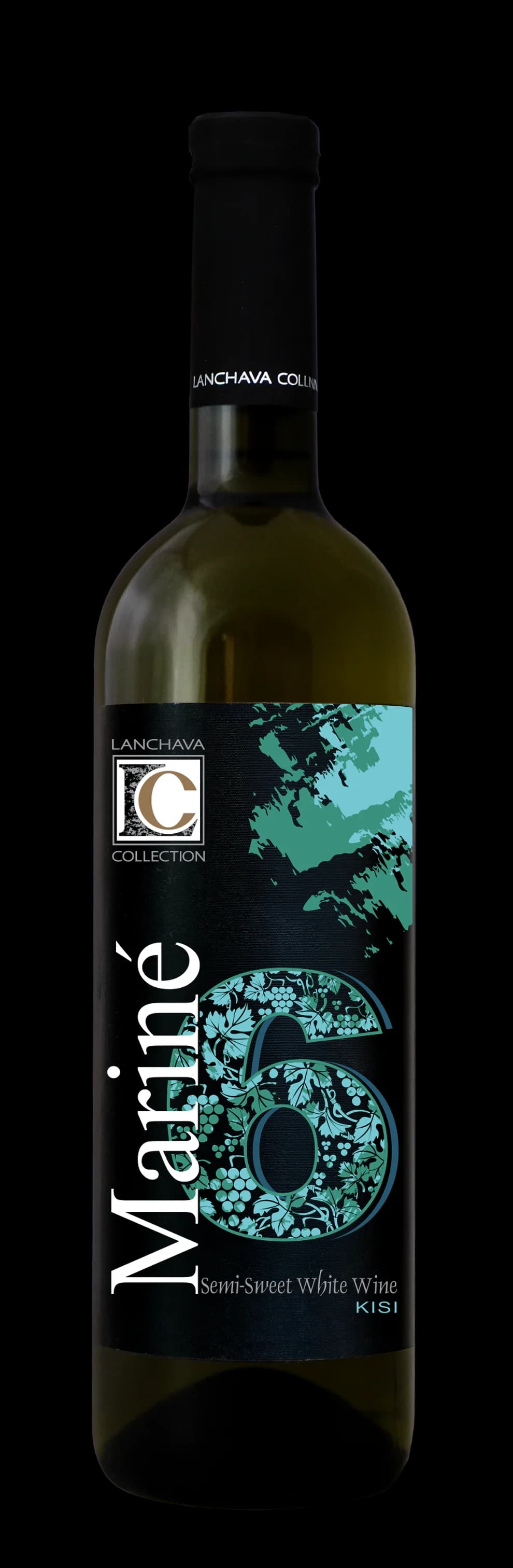
Khvanchkara. From the mountain valleys of Racha, where fermentation pauses naturally, giving raspberry, pomegranate, and velvety tannins. Ours is Nicholas.
Kindzmarauli. A prestigious micro-zone on the Alazani River, where Saperavi turns naturally semi-sweet, with ripe cherry and elegant sweetness. Ours is Anastasia.
05The Terroir
Each Lanchava wine names its home on the label. From the sun-fed Alazani Valley of Kakheti to the mountain vineyards of Racha, these are the places that shape what is in the glass.
Georgia grows wine from the Black Sea coast to the edge of the Caucasus. Choose a region to see its grapes, appellations and vineyard land, or pick one of the three that the Lanchava Collection is made from.
აფხაზეთი
The north-western Black Sea coast, historically planted along the narrow shelf between the mountains and the sea.
Avasirkhva, Amlakhu, Kachichi
სამეგრელო-ზემო სვანეთი
Wine region: Samegrelo
Western lowlands running down to the Black Sea, wet and mild, rising north into the high valleys of Svaneti.
Ojaleshi, Chvitiluri
შიდა ქართლი
Wine region: Kartli
Part of the Kartli wine region, on the central plains along the Mtkvari, known for lighter whites and Georgia's traditional sparkling base wines.
Chinuri, Goruli Mtsvane, Tavkveri, Shavkapito
Ateni
რაჭა-ლეჩხუმი
Wine region: Racha and Lechkhumi
One of Georgia's smallest and highest wine regions, set between Imereti and the Greater Caucasus. Around Ambrolauri, the Khvanchkara appellation covers steep vineyards along the Rioni at 450 to 750 meters, on light sandy-clay soils with a high carbonate content. Its mountain-continental climate of warm days, cool nights and long autumns lets the grapes build sugar slowly while keeping their acidity, which is what makes Khvanchkara naturally semi-sweet.
Aleksandrouli, Mujuretuli, Rachuli Tetra, Usakhelouri, Tsolikouri
Khvanchkara, Tvishi
Vineyard land shown in gold, traced from the Georgian Wine Club maps.
მცხეთა-მთიანეთი
Wine region: Kartli, mountain fringe
The mountain edge of the Kartli region north of Tbilisi, where the Aragvi cuts down out of the Greater Caucasus.
Chinuri, Goruli Mtsvane
კახეთი
Georgia's principal wine region, in the east, holding roughly 60 to 70 percent of the country's vineyard area and most of its appellations. The Likhi Ridge shields it from Black Sea moisture, giving warm, dry summers and cold winters, while the Alazani and Iori valleys temper vineyards planted between about 250 and 800 meters. It is the heartland of the Kakhetian qvevri method, which ferments white grapes on their skins, seeds and stems to produce Georgia's classic amber wines.
Saperavi, Rkatsiteli, Mtsvane Kakhuri, Kisi, Khikhvi
Tsinandali, Mukuzani, Kindzmarauli, Akhasheni, Napareuli, Gurjaani, Kardenakhi
Vineyard land shown in gold, traced from the Georgian Wine Club maps.
სამცხე-ჯავახეთი
Wine region: Meskheti
A high southern plateau where terraced viticulture goes back centuries and is now being replanted after a long interruption.
Meskhuri Mtsvane, Meskhuri Shavi
აჭარა
Wine region: Adjara
The far south-western coast, sub-tropical and steep, where vines are traditionally trained high into trees.
Chkhaveri, Satsuravi
ქვემო ქართლი
Wine region: Kartli
Southern Kartli, and home to the Neolithic settlements that produced the earliest known evidence of winemaking anywhere.
Rkatsiteli, Saperavi, Tavkveri
გურია
Small, green and coastal, on the Black Sea littoral where the rainfall is among the highest in the country.
Chkhaveri, Aladasturi, Tsolikouri
თბილისი
The capital. Not a growing region, but for centuries the centre of the wine trade and the marani cellars that supplied it.
იმერეთი
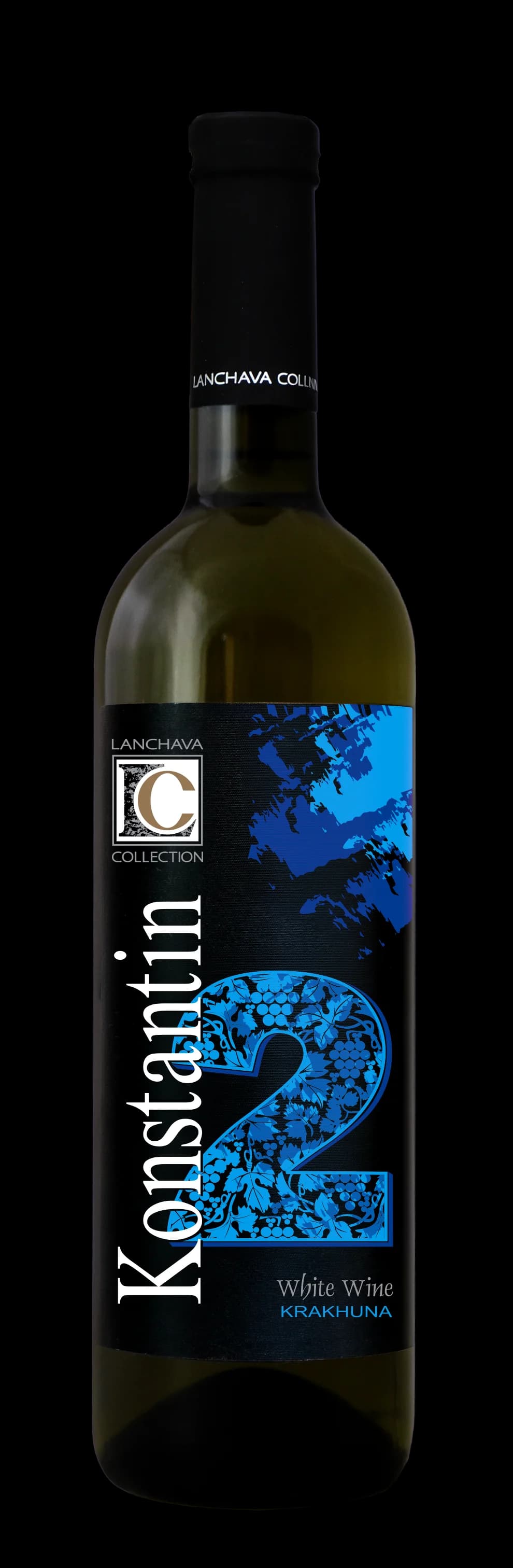
In central-western Georgia, where a humid subtropical climate brings more rain than the east and cooler nights temper the summer heat. Vineyards follow the river valleys between roughly 50 and 500 meters. Here the qvevri is called a churi, and the Imeretian method is gentler than Kakheti's: only a small share of the pomace goes into the vessel and the stems are left out, giving paler wines with finer tannins from varieties like Krakhuna and Tsolikouri.
Tsitska, Tsolikouri, Krakhuna, Otskhanuri Sapere, Dzelshavi
Sviri
Vineyard land shown in gold, traced from the Georgian Wine Club maps.
06The Culture
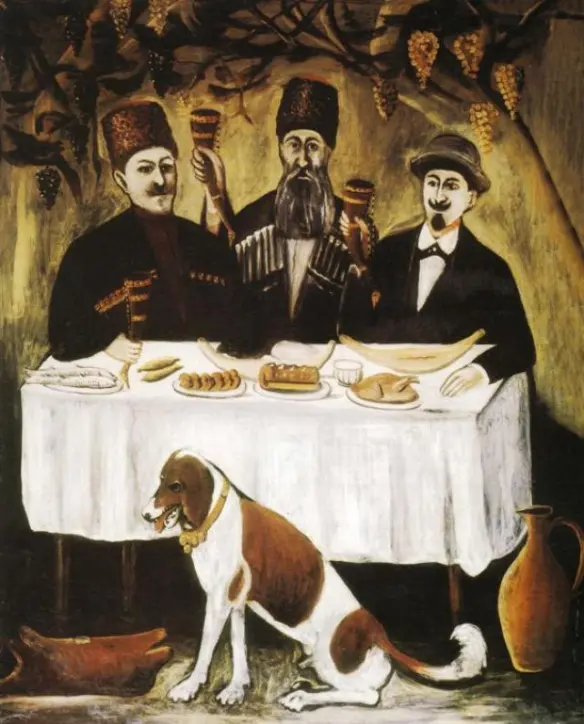
In Georgia, wine is inseparable from the table. The supra is the traditional Georgian feast of abundant food, flowing wine, and a sequence of meaningful toasts, and the Tamada is the toastmaster chosen by the table to lead it.
The tradition is nearly three millennia old: a bronze figure of a toastmaster, drinking horn raised, was unearthed at Vani and dates to the 7th century BC. Understanding the supra is understanding why Georgian wine was never just a drink. It is the companion of conversation.
Common Questions
Georgian wine is known for being the world's oldest winemaking tradition, with roughly 8,000 years of continuous production. Its hallmarks are fermentation in buried clay qvevri, more than 500 indigenous grape varieties such as Saperavi and Rkatsiteli, skin-contact amber wines, and naturally semi-sweet styles like Khvanchkara and Kindzmarauli.
Yes. Amber wine and orange wine are two names for the same style: white grapes fermented in extended contact with their skins, which gives the wine an amber color, gentle tannin, and layered aromas. Georgia's qvevri-made amber wine is the original version of the style, and 'amber' is the term Georgians use.
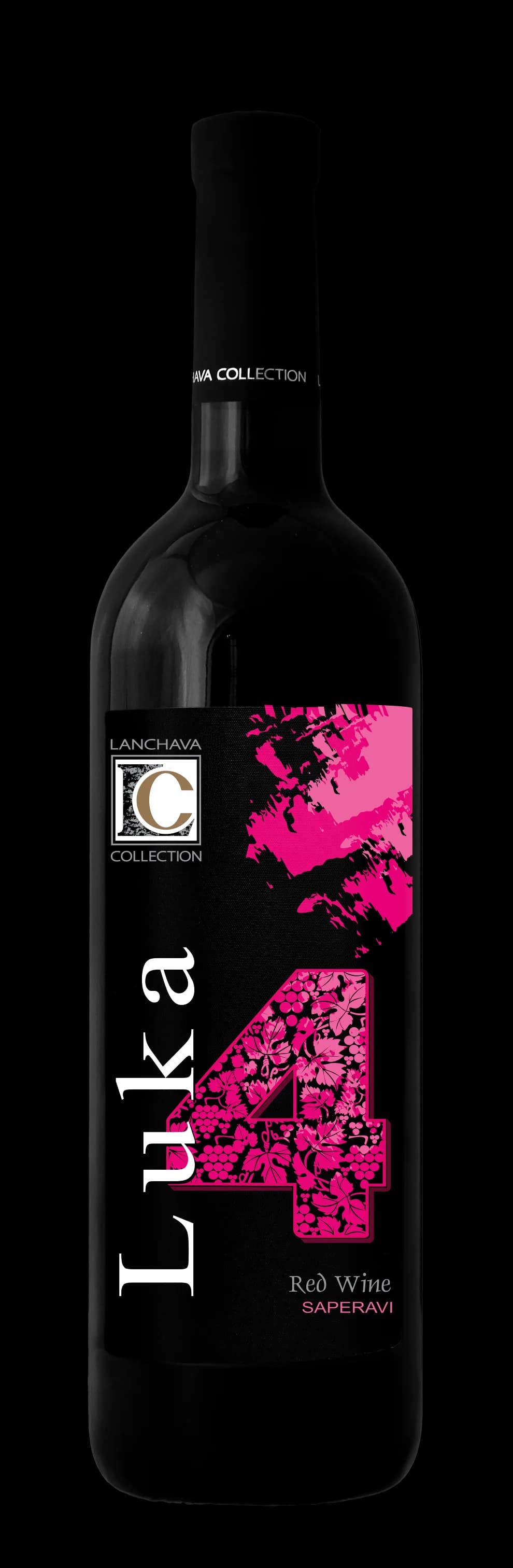
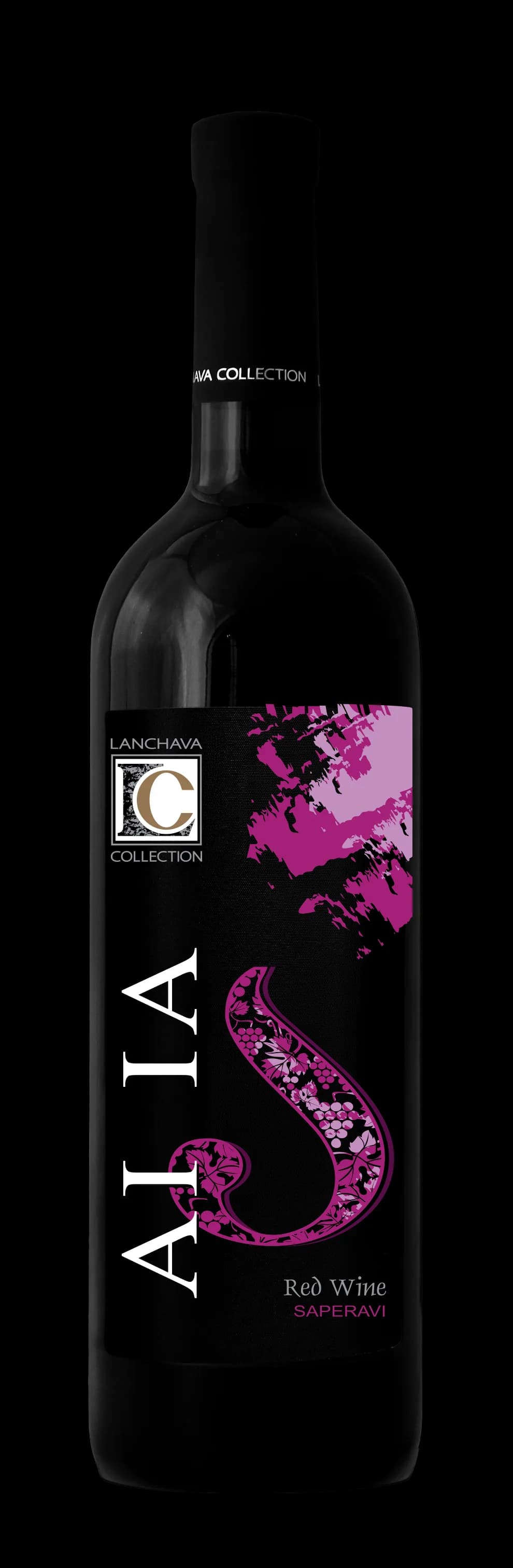
Saperavi is Georgia's signature red grape. It produces deep-colored, full-bodied wines with wild berry and red plum fruit, spice, and toasty notes. It is made dry, as in the Lanchava Collection's Luka and AI IA Red, and also grows naturally semi-sweet in the Kindzmarauli micro-zone.
Both. Georgia makes dry red, white, and amber wines, as well as naturally semi-sweet wines from regions like Racha (Khvanchkara) and the Kindzmarauli micro-zone of Kakheti, where cool conditions pause fermentation and preserve natural grape sugars. No sweetness is added.
Lanchava Collection Georgian wines are available in the United States through our official retail partner, Total Wine & More. The full range of ten wines, including dry reds and whites, qvevri amber, and semi-sweet styles, can be explored at lanchavacollection.com/collection, with a buy link on each wine's page.
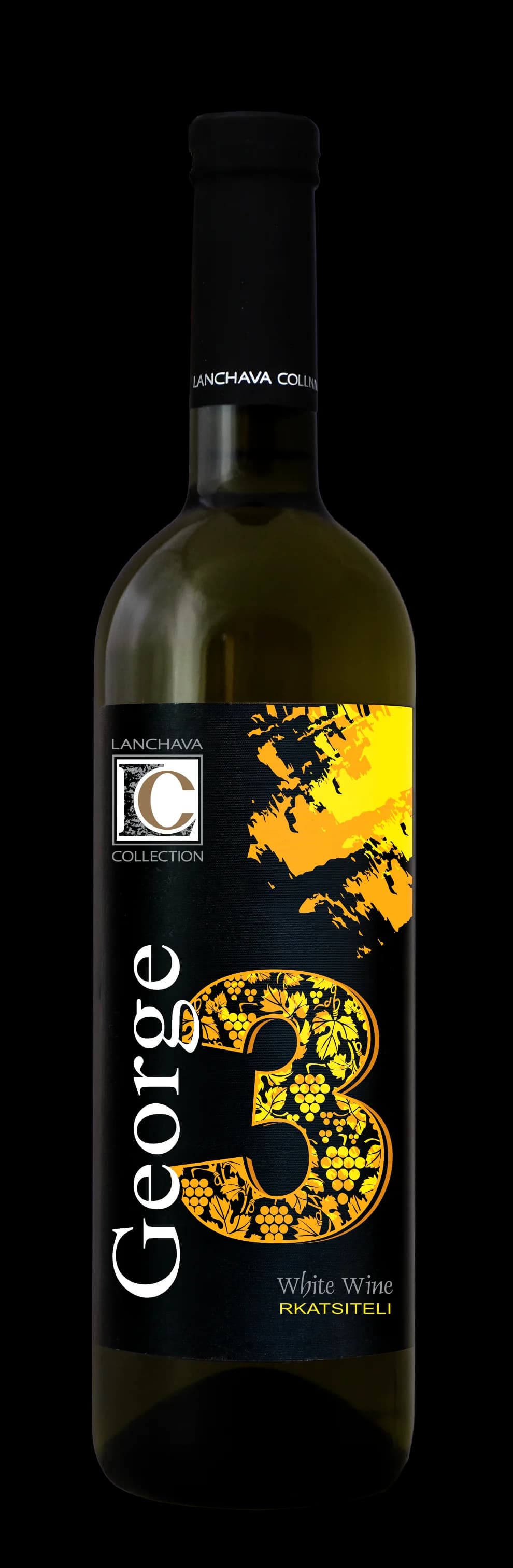
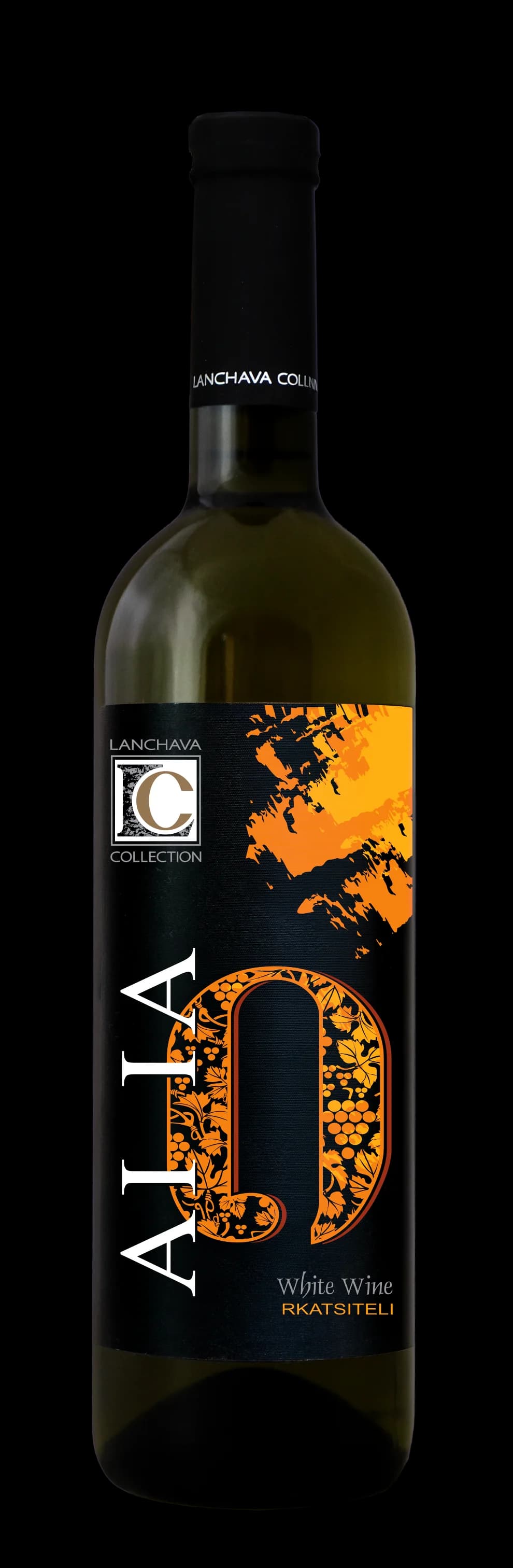
Georgian whites like Rkatsiteli and Krakhuna pair well with white meat, soft and hard cheeses, shellfish, and roasted vegetables. Full-bodied Saperavi suits heartier dishes, and amber wine's gentle tannin lets it bridge both. Every wine in the Lanchava Collection lists its recommended pairings on its own page.
Taste the Origin
Every chapter of this guide lives in a bottle. Explore the Lanchava Collection of dry reds and whites, qvevri amber, and naturally semi-sweet wines, available through our official retail partner, Total Wine & More.
Lanchava Collection
Are you 21 years of age or older?
By entering this site, you agree to our terms of use and acknowledge that alcoholic beverages should be consumed responsibly.